

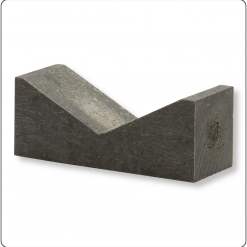
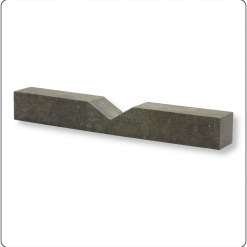
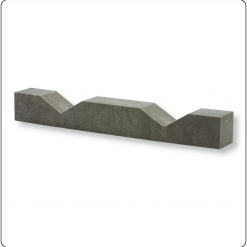
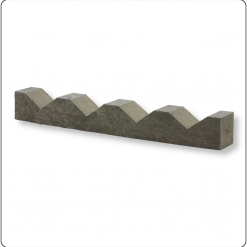
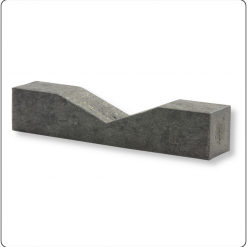
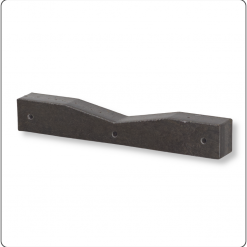
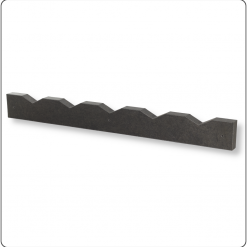
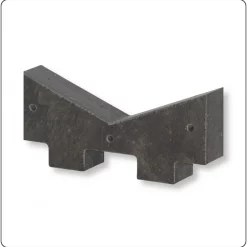
Plastic V-blocks for pipes, shafts, round bars, rolls and coils
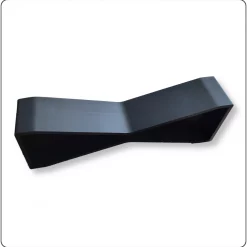
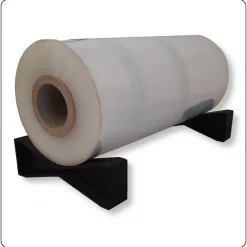
Plastic V-blocks are a precise, durable and reusable solution for the safe storage, positioning and transport of pipes, shafts, round bars, rolls, coils and other round stock. They provide defined support points, reduce uncontrolled rolling movements and can be adapted to diameter, weight, surface and existing load carriers.
Plastic Union manufactures plastic V-blocks according to drawings, sketches, samples or application data. Depending on the load, geometry and quantity, the blocks are CNC-machined from solid plastic or produced as custom 3D-printed solutions using engineering plastics. This makes it possible to produce robust production solutions for heavy components as well as cost-effective one-off parts, prototypes and small batches.
Depending on the industry and design, comparable products are also referred to as support blocks, V-supports, prismatic supports, pipe supports, round-stock supports or V-blocks. The core function is always the same: to support round stock safely and consistently.
Why round stock requires defined support
Pipes, bars, shafts, rolls and coils do not have a stable flat support surface. Even slight inclines, pallet movements, forklift travel, braking or vibrations can cause inadequately supported round stock to shift position. In storage, production and transport, this creates unnecessary risks for components, load carriers and workflows.
In practice, wooden blocks, cut timber sections, simple wedges, foam offcuts or metal supports are sometimes used for this purpose. Such improvised solutions may work for individual applications, but they are often not dimensionally accurate, reproducible or suitable for recurring industrial processes.
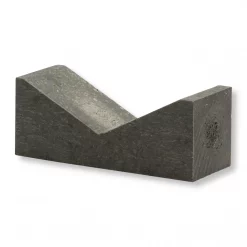
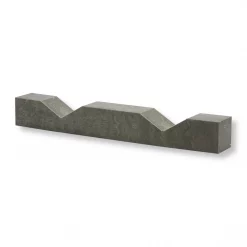
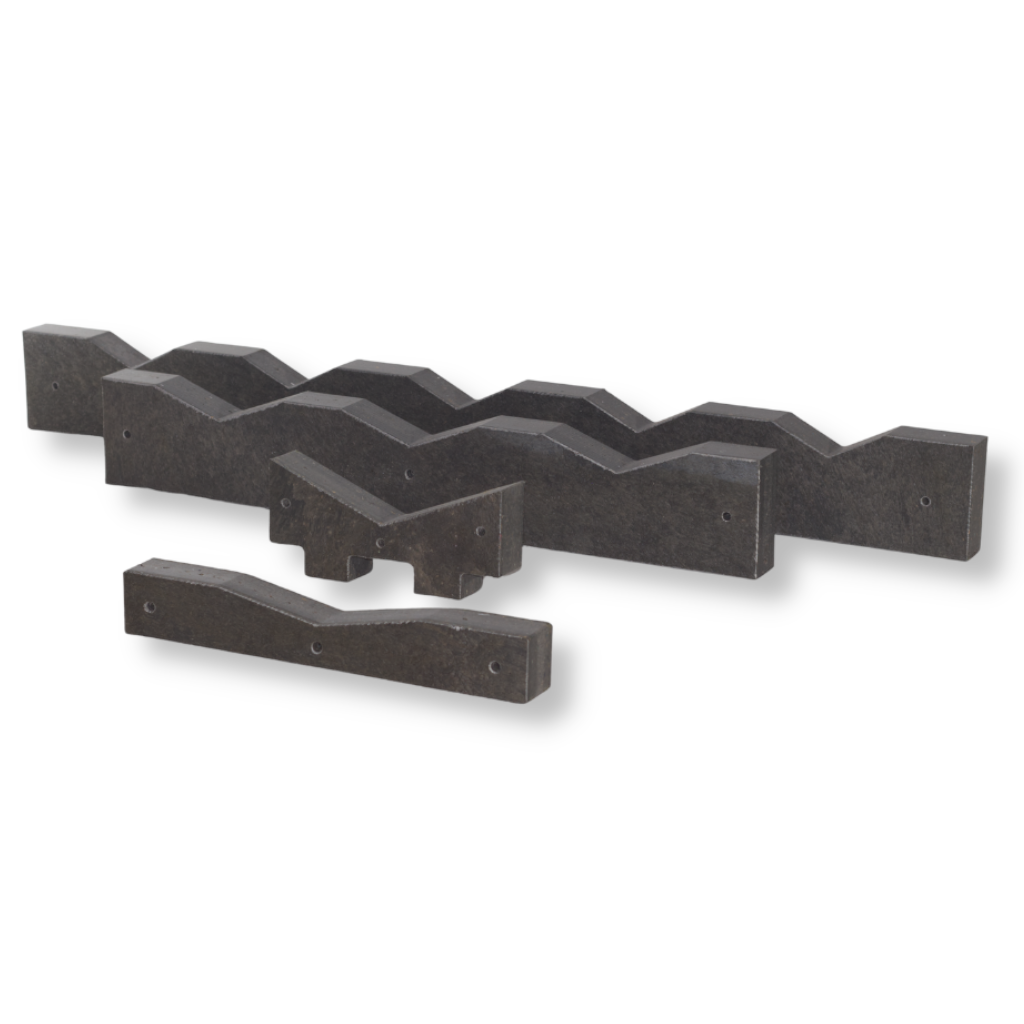
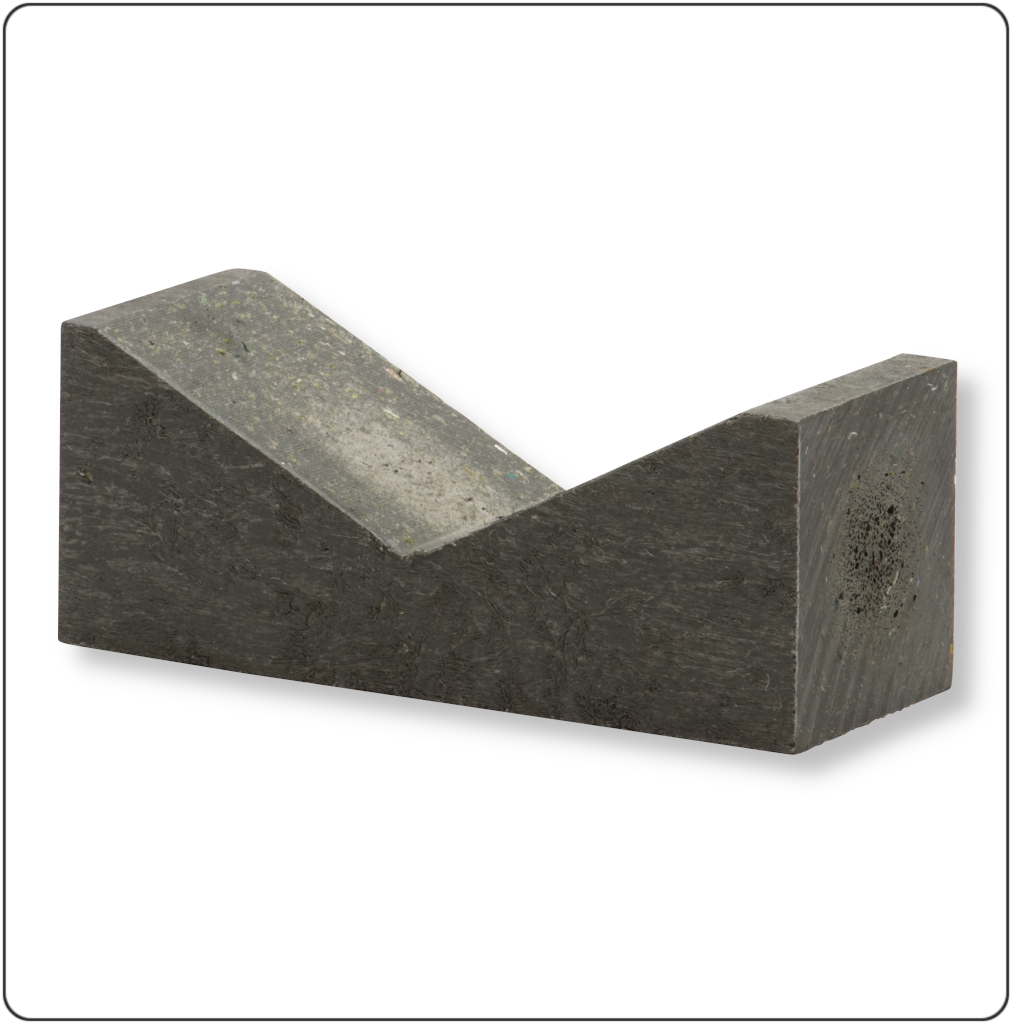
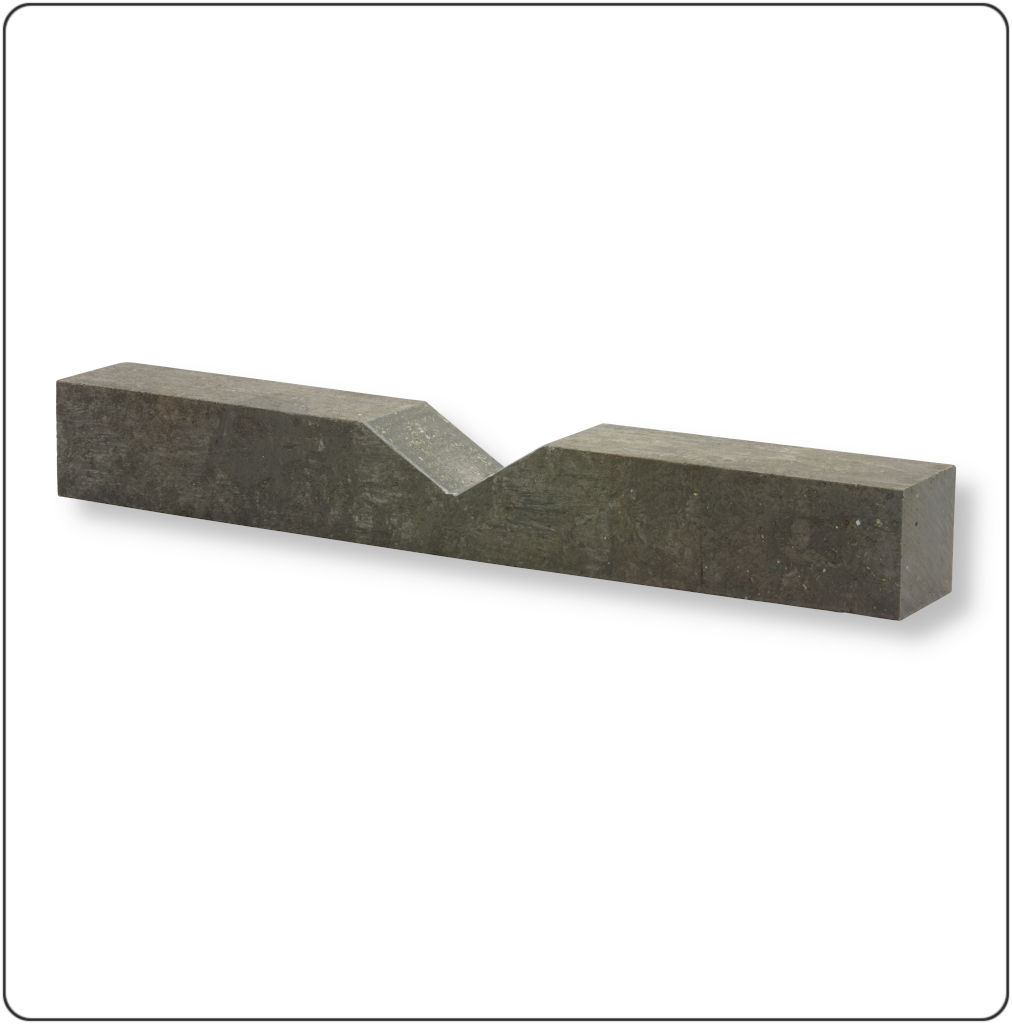
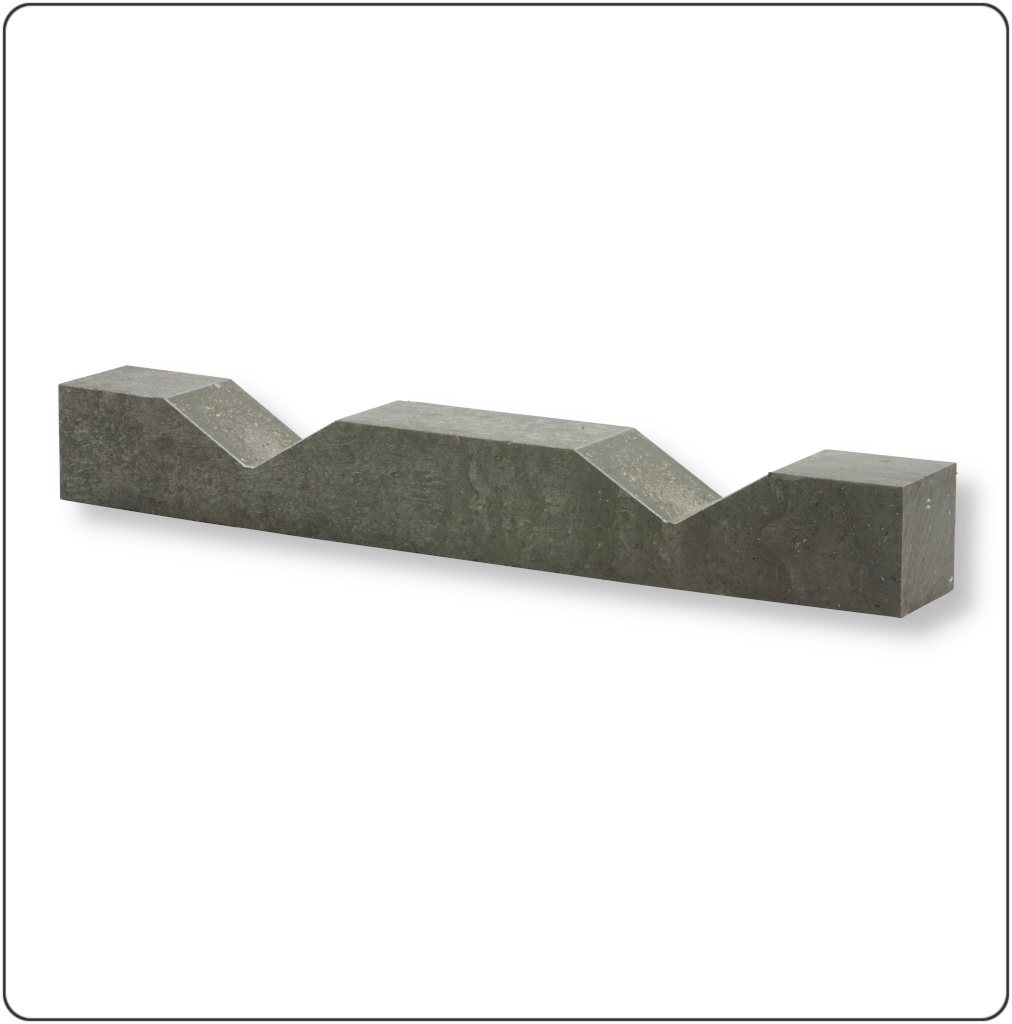
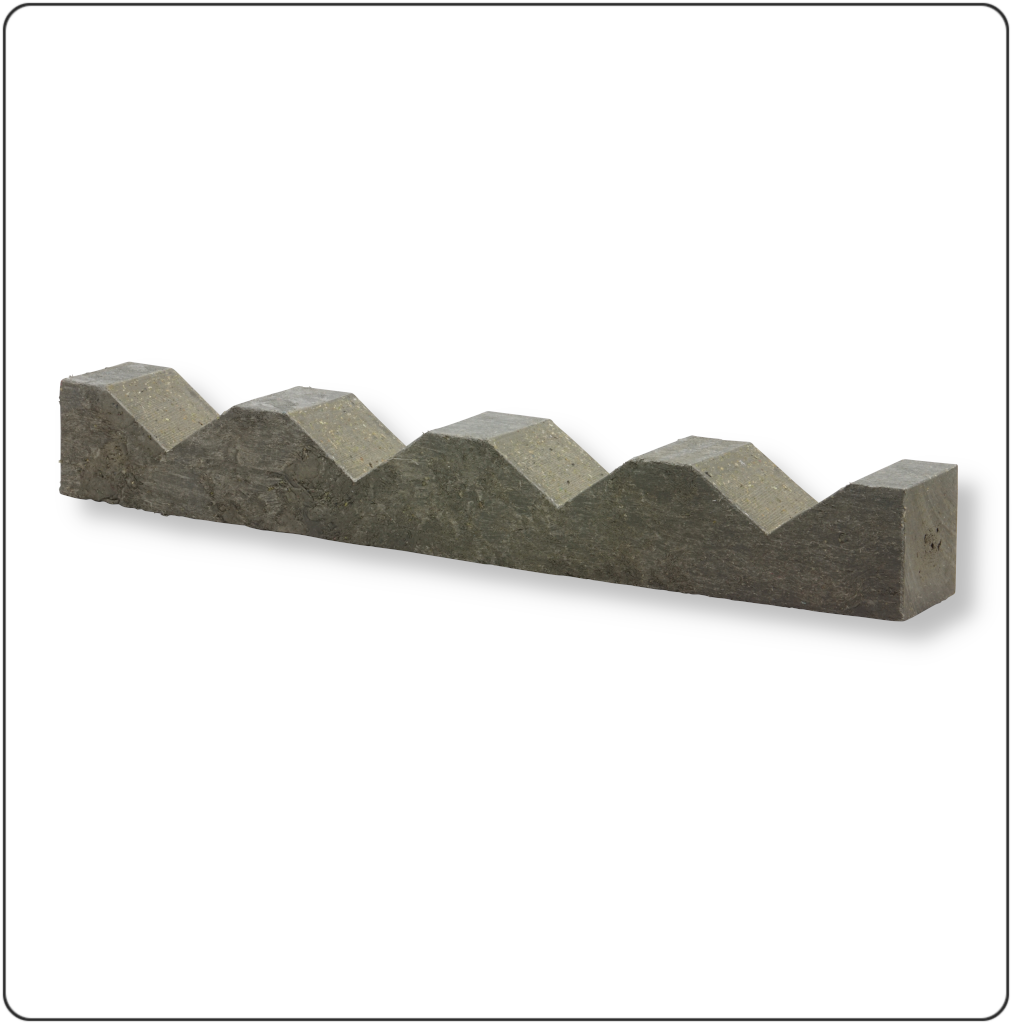
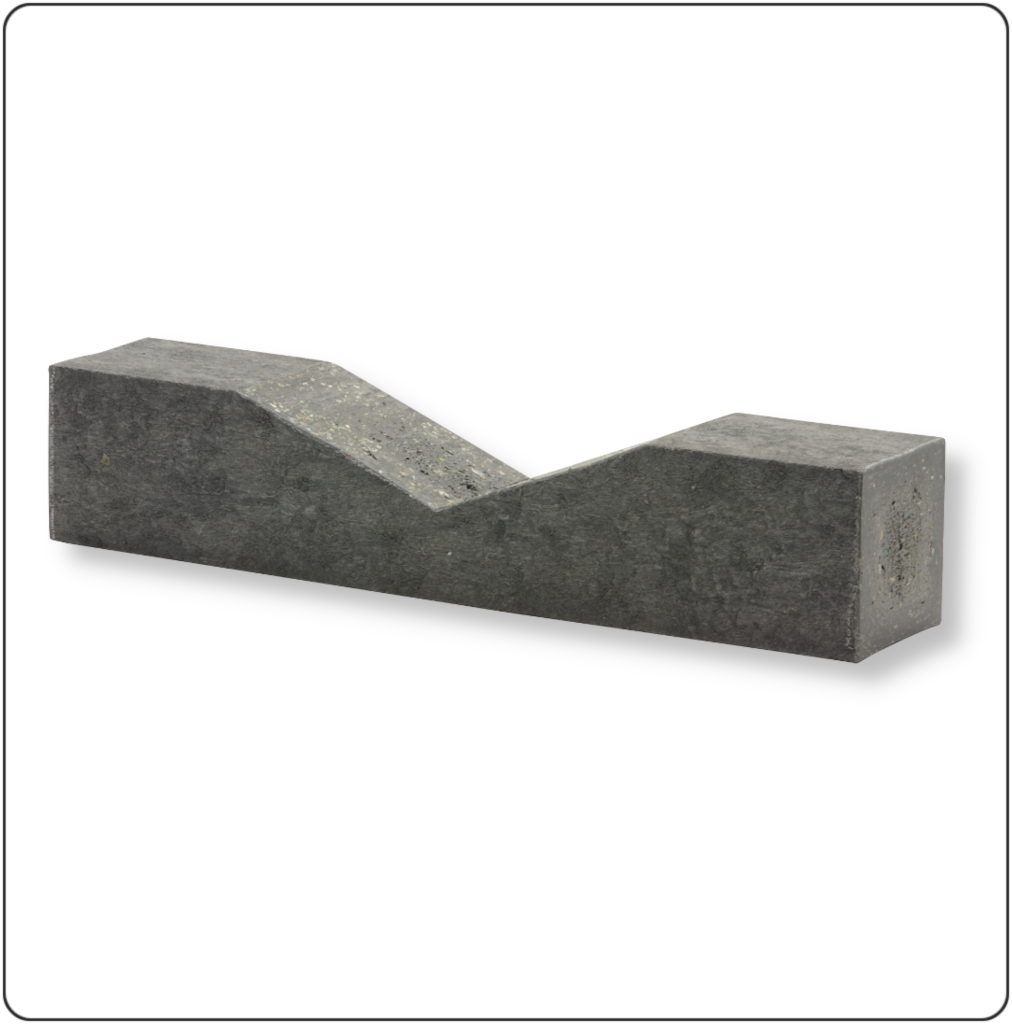
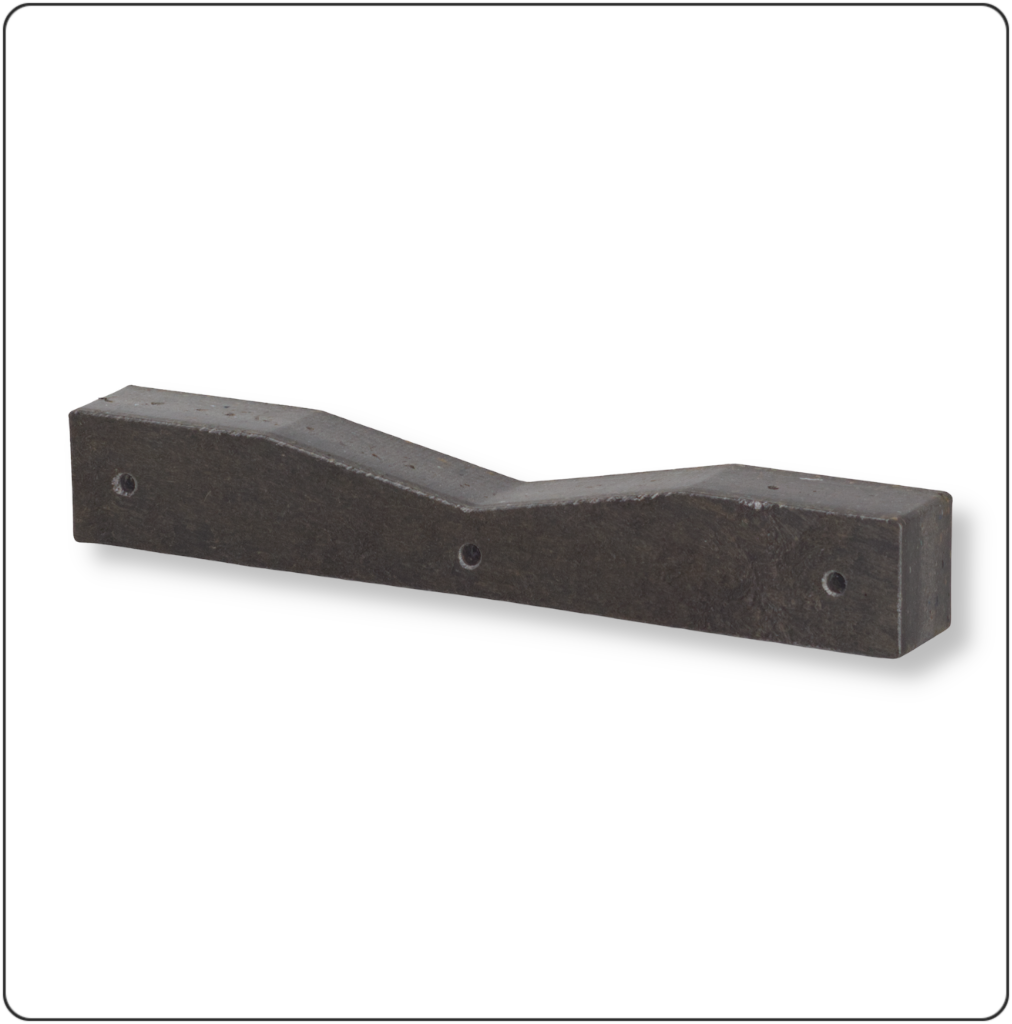
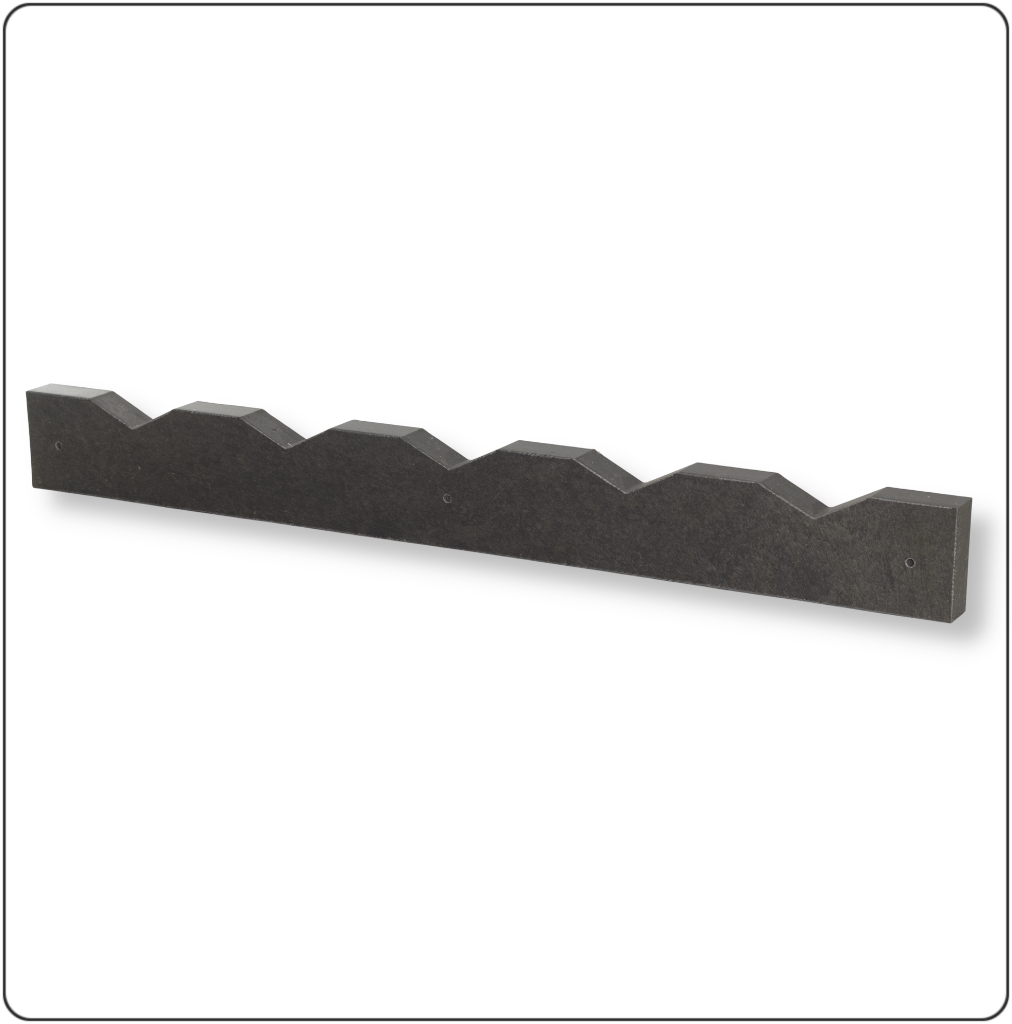
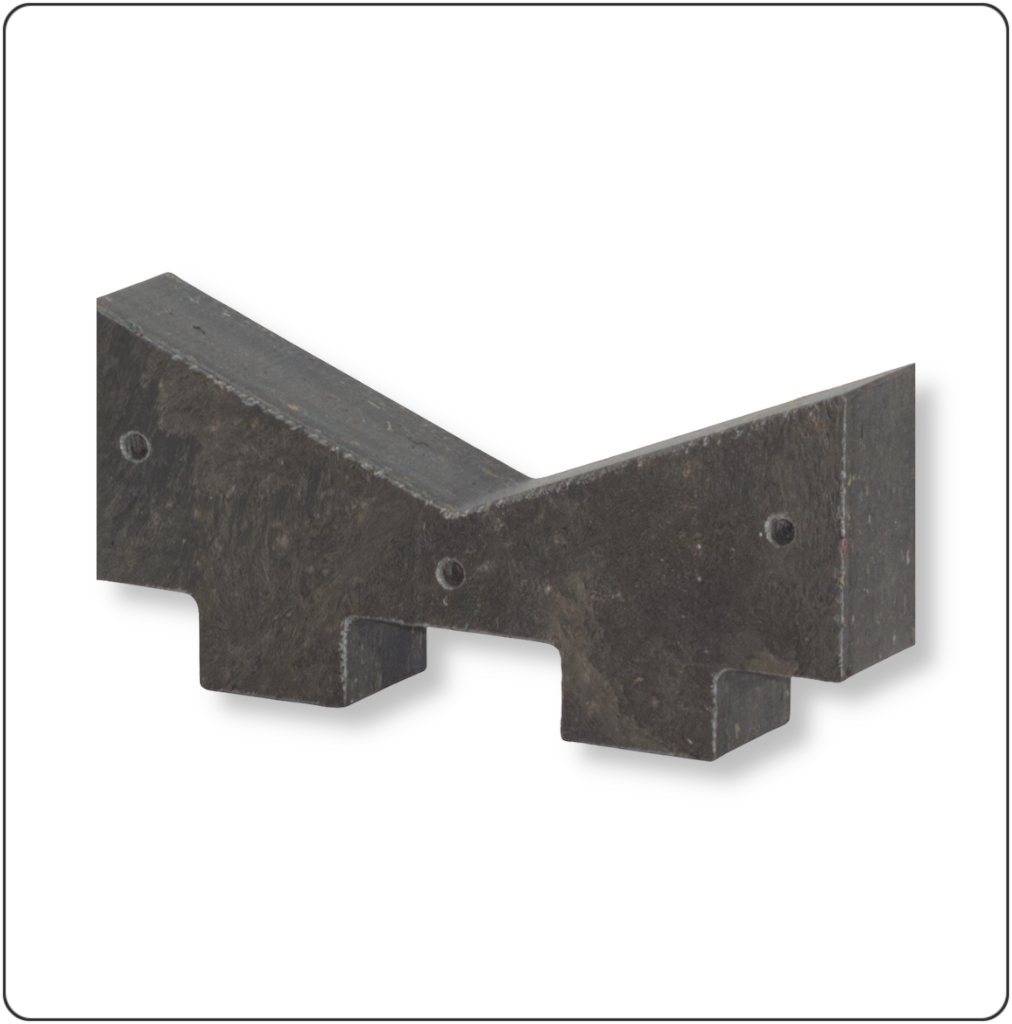
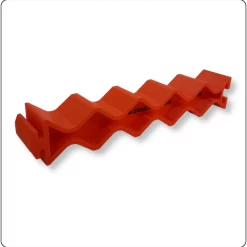
Properly designed plastic V-blocks provide a defined V-shaped or contour-matched support surface. The component is held in a specified position and can be supported exactly where required. Depending on the design, a single V-groove, multiple V-grooves, radii, steps, holes or custom contours can be incorporated.
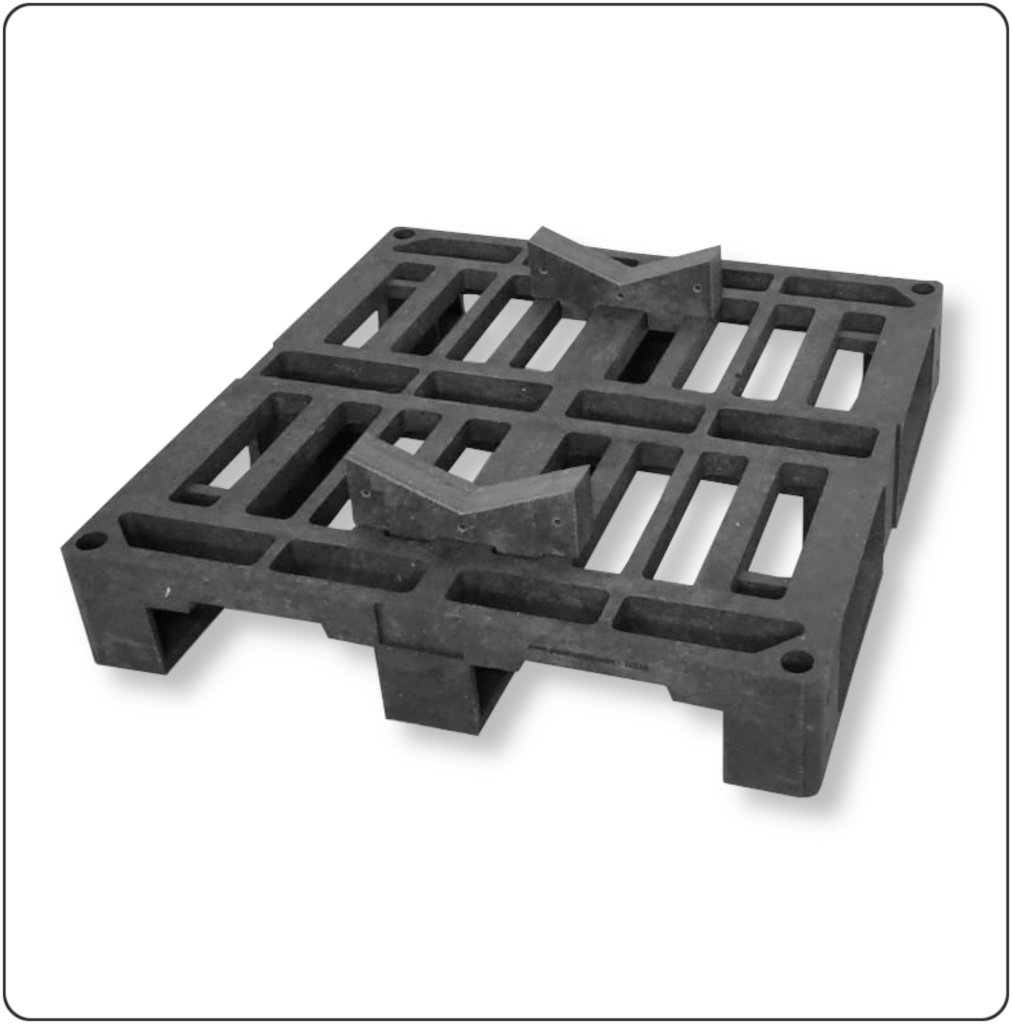
Design 1: CNC-machined plastic V-blocks from solid stock
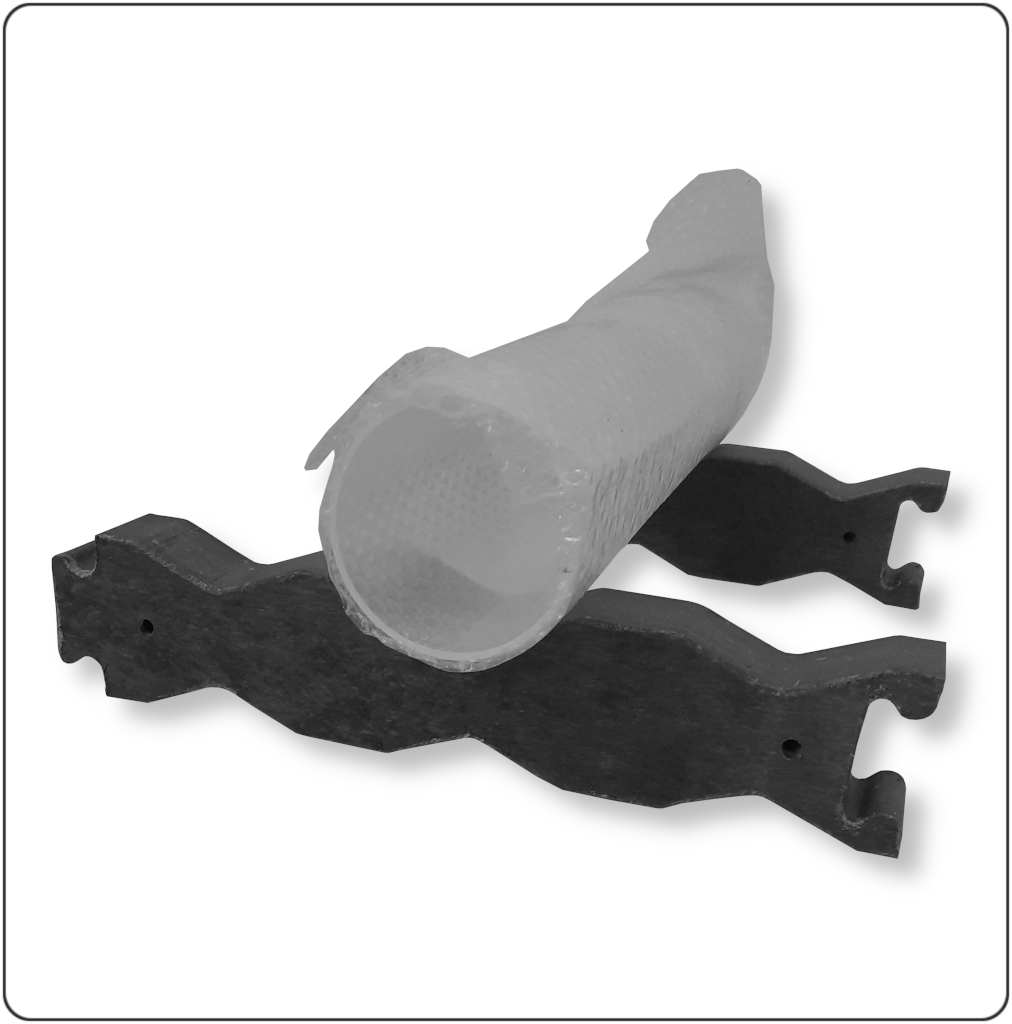
For heavy loads, larger diameters, recurring processes and long-term industrial applications, we manufacture plastic V-blocks by CNC machining them from solid plastic stock.
The blocks are manufactured from solid StruCo plastic sheets and plastic beams made from PE/PP-RE Mix, a recycled polyethylene/polypropylene material blend. V-grooves and contours are machined according to your drawing, the component diameter or the requirements of the application. Both the position of each groove and the number of support points within a support block can be freely defined.
Technical Data for the CNC-Machined Version
- Material: PE/PP-RE Mix made from robust recycled plastic granulate
- Manufacturing: CNC-machined from solid sheets or beams
- Length: depending on the version, up to approx. 1150 mm
- Typical material thicknesses: approx. 50 mm and approx. 100 mm
- V-grooves: according to drawing, diameter or customer specification
- Geometries: single V-groove, multiple V-grooves, radiused supports or custom contours
- Options: blind holes, mounting holes, rubber inserts or additional anti-slip elements
- Applications: pipe storage, shaft storage, round-bar storage, coil support and load securing
CNC-machined V-blocks and support blocks are particularly suitable where dimensional accuracy, load-bearing capacity and repeatability are important. The support surface can be matched to a specific pipe diameter, a defined shaft geometry or an existing load carrier.
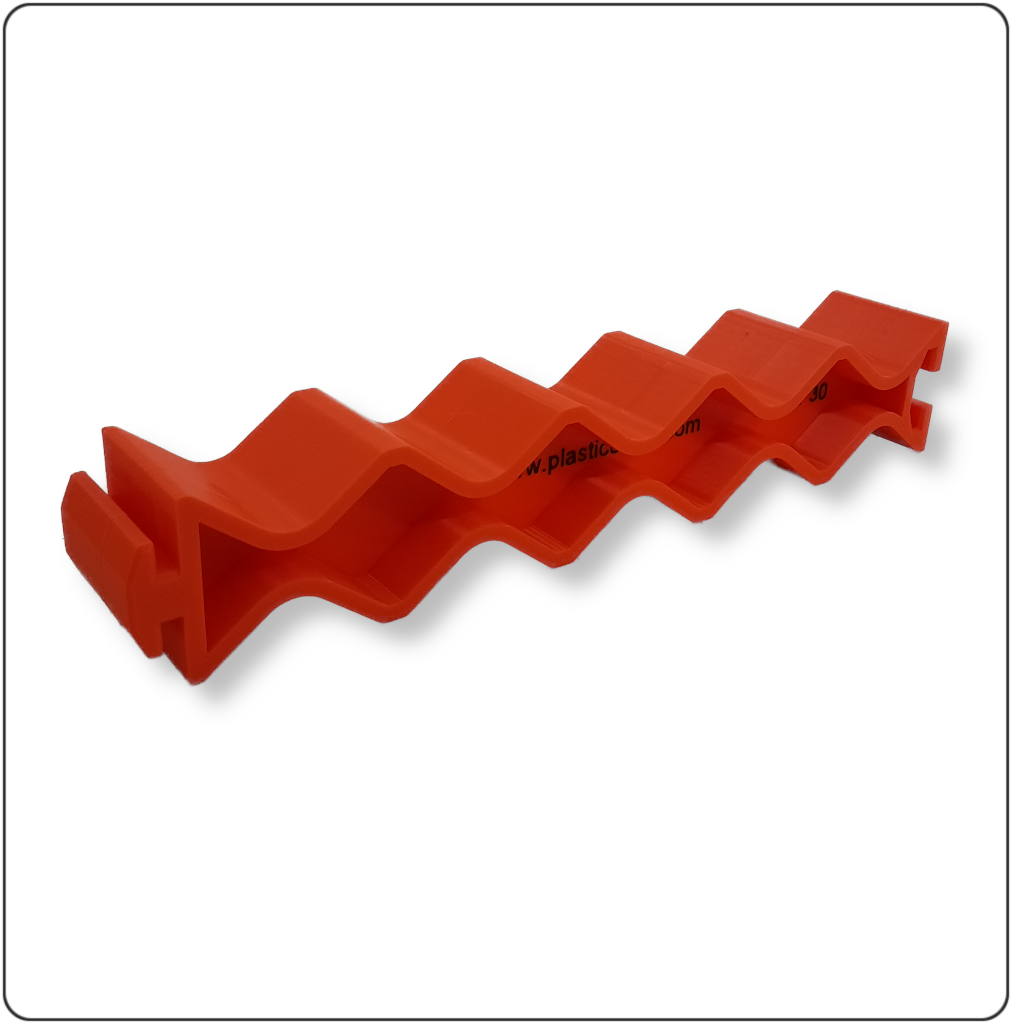
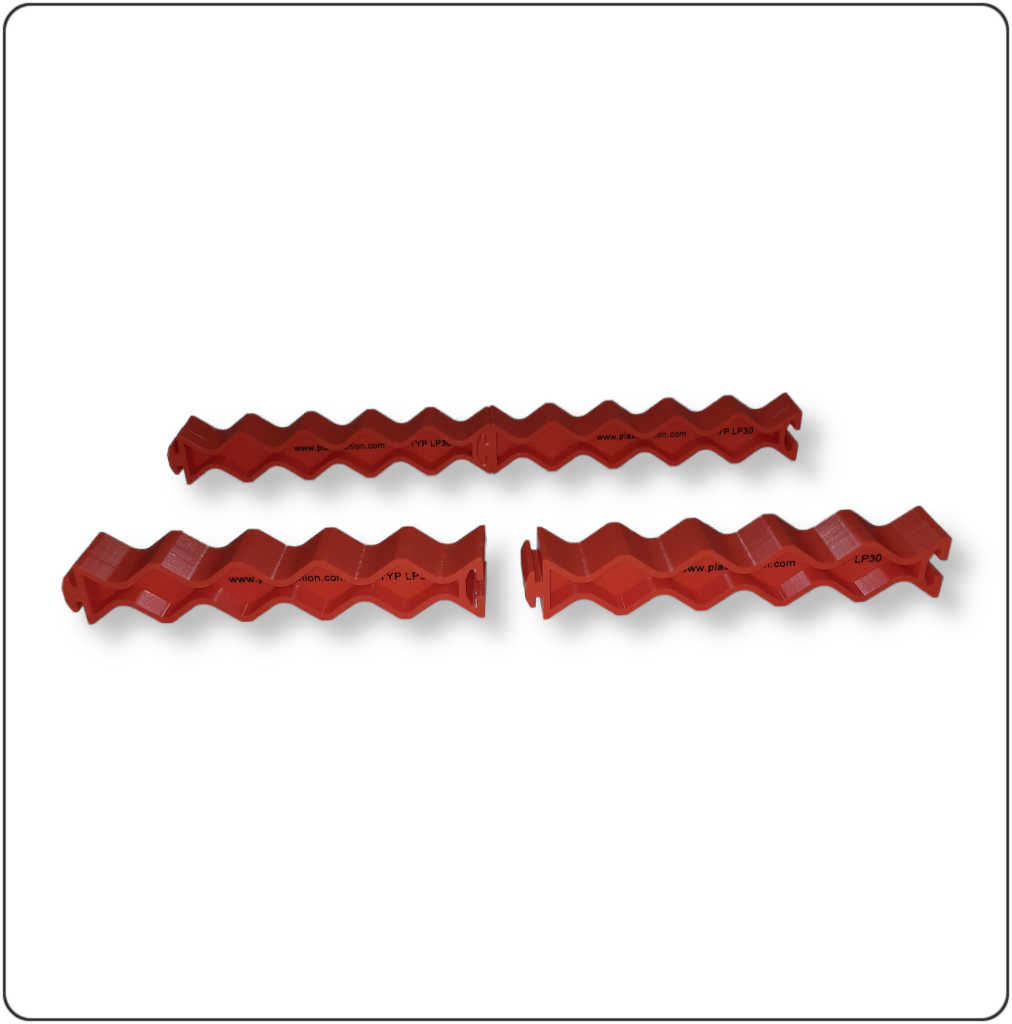
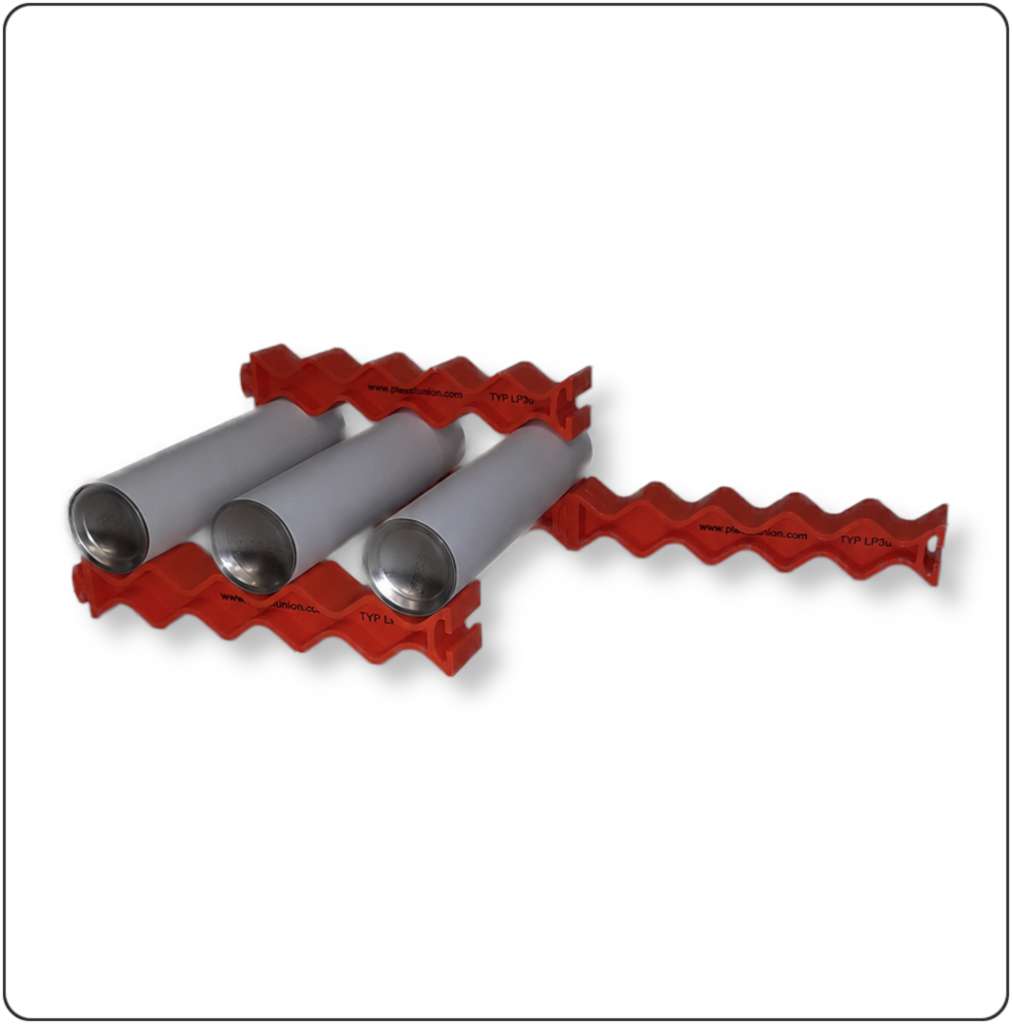
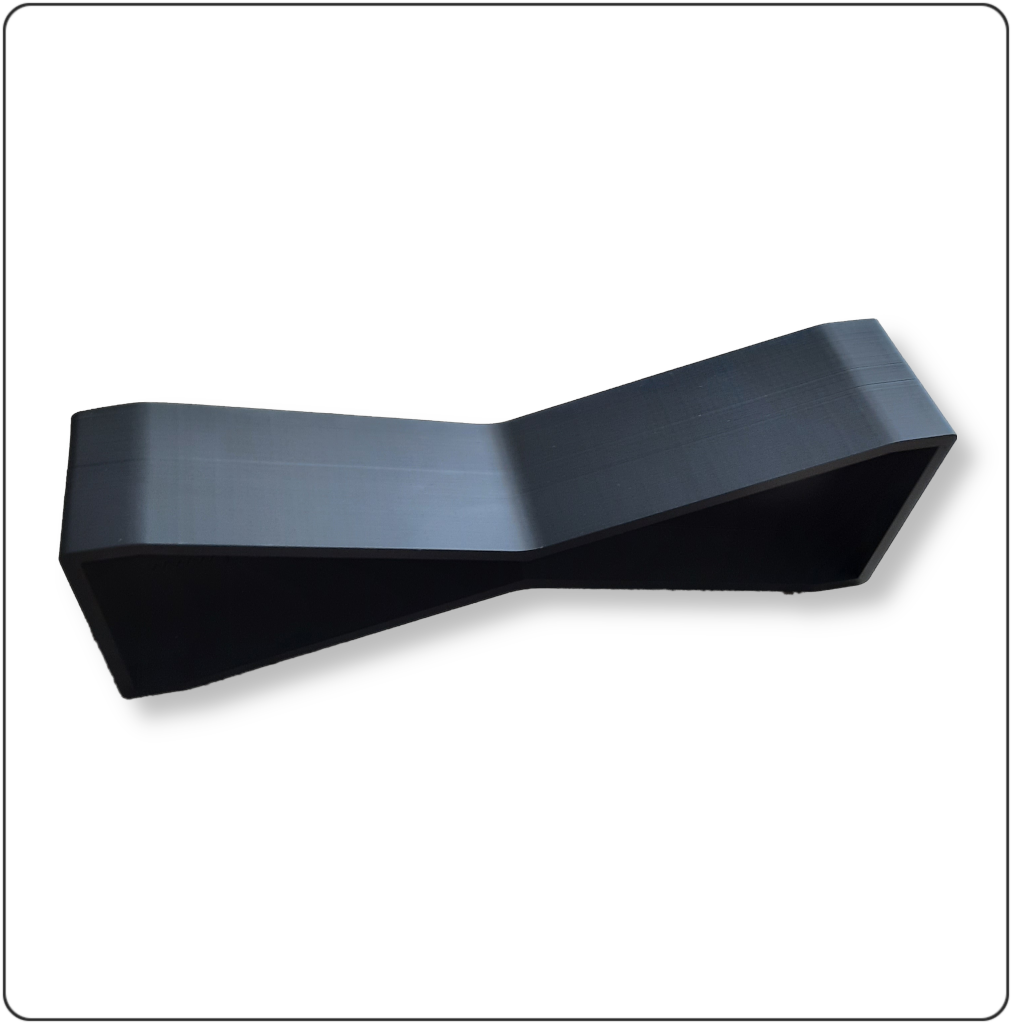
Design 2: 3D-Printed Plastic V-Blocks and V-Supports
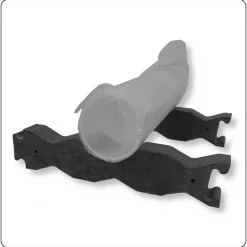
For prototypes, custom dimensions, small quantities and complex geometries, Plastic Union also manufactures plastic V-blocks using industrial 3D printing. The process enables custom V-angles, radii, multiple support points, recesses, plug-in connections, mounting points and other customer-specific functions without conventional tooling costs.
This allows new support concepts to be tested quickly and further optimised as required. For one-off parts, test components, spare parts and small series in particular, 3D printing is a flexible alternative to machining.
Available Materials for 3D-Printed V-Blocks
- PETG – chemical-resistant, dimensionally stable and, depending on the material grade used, suitable for food-contact applications
- ABS – impact-resistant, temperature-resistant up to approx. +100 °C and easy to post-process
- ASA – UV- and weather-resistant, for example for outdoor applications
- PA / Nylon – very tough and abrasion-resistant for higher mechanical loads
- PET-CF – carbon-fibre reinforced, rigid and lightweight for demanding technical applications
Advantages of 3D-Printed V-Blocks
- Economical even for one-off parts and small series
- No conventional tooling costs
- Short development and production lead times
- Custom geometry based on CAD drawing, sketch or sample
- Suitable for prototypes, test setups and pilot series
- Material selection according to load, temperature and operating environment
- Custom V-angles, radii, multiple support points, holes and interlocking systems can be incorporated
3D-printed V-blocks are not an automatic replacement for every heavily loaded CNC-machined support. Their main advantage is flexibility: custom parts can be produced and tested quickly, then further developed into CNC-machined or series-production solutions if required.
Plastic, Foam or Rubber – Which V-Block Is Right for Your Application?
Not all round stock places the same demands on its support surface. Depending on the component and the process, foam or rubber may also be suitable alternatives to plastic.
Plastic V-blocks provide a robust, dimensionally accurate and reusable solution for a wide range of industrial applications. Foam is particularly suitable for sensitive surfaces and lighter components. Rubber can be used where additional friction and slip resistance are required. For particularly sensitive applications, you can also find our foam V-blocks.
Key factors include component weight, diameter, surface sensitivity, storage environment, type of transport and required service life. A ground precision shaft, for example, places different demands on a support block than a robust steel pipe or a heavy coil.
Typical Applications for Plastic V-Blocks and Support Blocks
- Pipe storage in warehousing, production and dispatch
- Shaft storage in mechanical engineering and machining
- Round-bar storage and organisation of bar stock
- Storage and positioning of coils and rolls
- Support blocks and supports for pipes, shafts and other round stock
- Securing cylindrical components on pallets
- Load securing and transport of round stock
- Internal transport between production, storage and dispatch
- Protection of sensitive precision components during handling
- Positioning in pallet boxes and transport containers
- Applications in automotive, rail vehicle manufacturing, plant engineering and maintenance
Pipe Storage – Reducing Rolling and Surface Damage
Pipe storage is one of the classic applications for plastic V-blocks. Steel pipes, stainless steel pipes, aluminium pipes, copper pipes and plastic pipes are commonly stored on pallets, in racking, containers or transport frames.
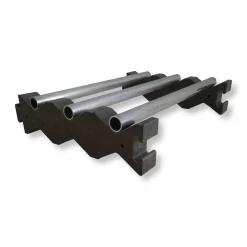
A defined V-support provides a consistent support point and reduces uncontrolled movement. When several V-blocks are used in parallel, pipes can be positioned in an organised manner and kept separated from one another. This can improve organisation, material flow and handling in the warehouse.
For larger pipe diameters or heavier loads, a wider support block may be more suitable than a compact individual V-block. The length, support surface, V-angle and number of support points are then adapted to the specific load requirements.
Shaft Storage – Protection for Precision Components
Shafts, axles, drive shafts and precision-machined round parts often have sensitive functional surfaces. Scratches, pressure marks or uncontrolled contact between components can result in rework or scrap.
Custom-made plastic V-blocks can be matched to the component diameter and required support length. Foam or rubber inserts can also be incorporated for particularly sensitive components. This allows the support surface to be adapted to the specific surface requirements of the component.
Organised Storage of Round Bars and Bar Stock
Round bars and bar stock are used in metalworking, plastics processing and mechanical engineering in a wide range of diameters, lengths and materials. V-blocks can be used to separate different diameters or material groups and can be installed in racking, pallet boxes, transport containers or on pallets.
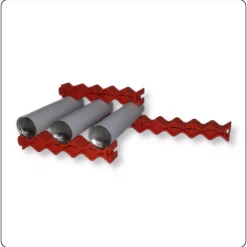
Combined with labelling, colour coding or defined storage locations, this creates a clear and reproducible material flow. Multi-position support blocks can accommodate several round bars in parallel and provide fixed positioning within a load carrier.
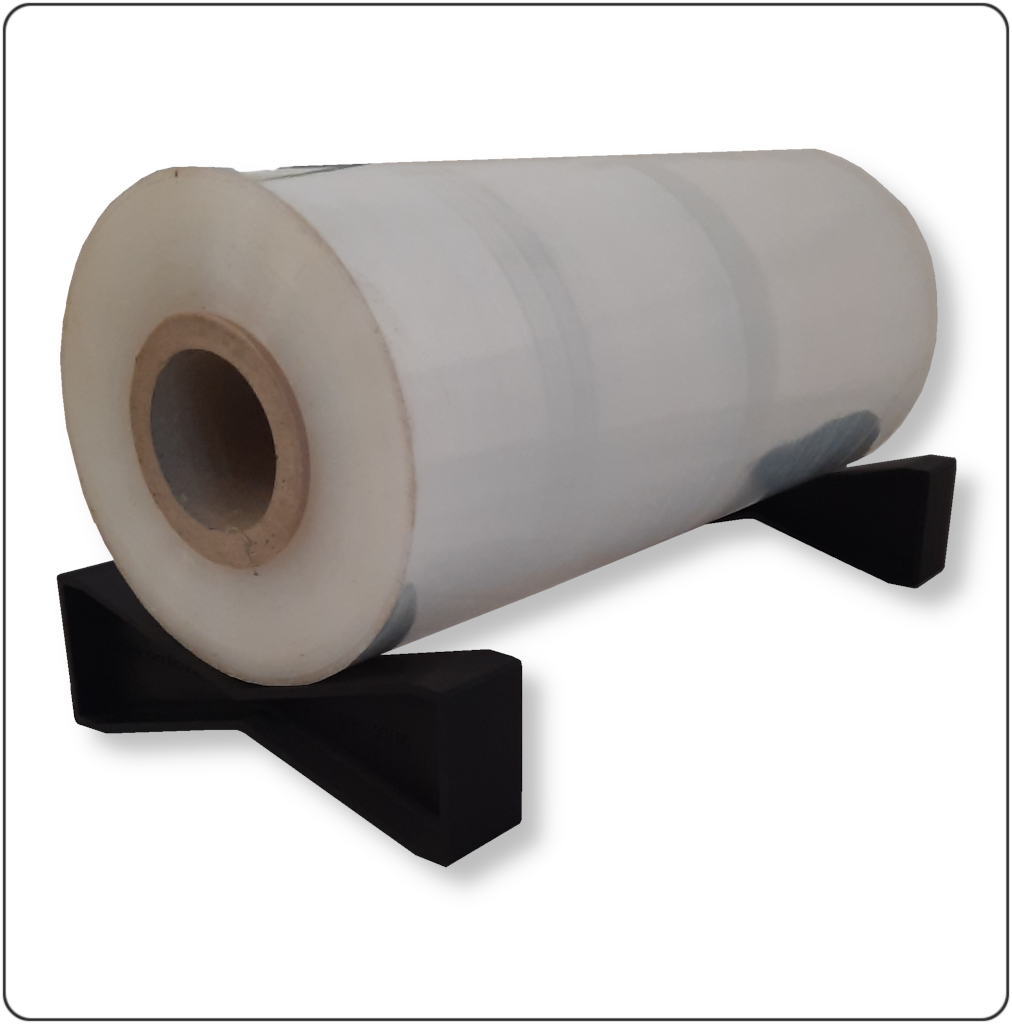
Coil and Roll Storage
Due to their weight and round geometry, coils and rolls require stable support. Depending on the diameter, weight and surface, wider support surfaces, multiple V-grooves or specially adapted contours may be required.
In addition to diameter, weight distribution, surface sensitivity and the type of transport should also be taken into account. Where greater slip resistance is required, rubber inserts or additional anti-slip elements can be incorporated into the storage system. Anti-slip mats can also be used for load securing where this forms part of the specified securing concept.
Plastic V-Blocks for Load Securing and Transport Safety
Plastic V-blocks can form part of a load-securing concept for pipes, shafts, round bars, rolls, coils and other cylindrical goods. They provide defined support points and can help reduce rolling movement and, when appropriately designed, support positive-fit load-securing concepts.
However, a V-block or support block alone does not replace a complete assessment of the load-securing requirements. The vehicle, load weight, centre of gravity, coefficients of friction, lashing equipment, securing forces and specific transport conditions must always be considered for the individual application. For standardised applications on pallets, you can also find our plastic pallet wedges for load securing.
For load securing in road transport, technical guidance is provided, among other sources, by the VDI 2700 series of guidelines on securing loads on road vehicles, information from BG Verkehr on load distribution and load securing, and the European guidelines on cargo securing for road transport. The VDI 2700 series and BG Verkehr information primarily reflect German technical practice and requirements. For use in other countries, the applicable national legal and technical requirements must be checked and complied with for the specific transport operation.
Why choose plastic instead of wood or metal?
Wood is easy to work with and is therefore often used as an improvised support. However, in repeated industrial use, wood can absorb moisture, splinter, wear and undergo dimensional changes.
Metal supports offer high strength but are not ideal for every surface. With sensitive components, hard metallic contact surfaces can cause scratches or pressure marks. Metal solutions can also be heavier and, depending on the material, may require corrosion protection or additional protective coatings.
For many applications, plastic offers a good balance of stability, reusability, moisture resistance, low handling weight and a component-friendly support surface. Plastic V-blocks can also be precisely matched to the geometry of the respective component.
Advantages of Plastic V-Blocks
- Reusable for recurring storage and transport processes
- Splinter-free compared with wooden supports
- Moisture- and weather-resistant, depending on the material
- More component-friendly than many unprotected metal supports
- Custom CNC machining or 3D printing available
- Suitable for a wide range of storage, production and transport processes
- Can be combined with holes, rubber inserts and additional securing elements
- Can be produced as an individual V-block or as a larger support block
Custom Plastic V-Blocks Based on Drawing, Sketch or Application
A V-block for a small precision shaft must be designed differently from a support for a heavy bundle of pipes or a coil. Plastic Union therefore manufactures plastic V-blocks to suit the requirements of the specific application.
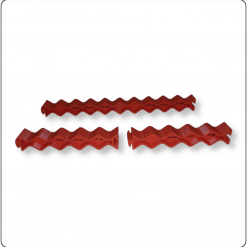
A technical drawing is helpful, but is not always essential for an initial assessment. In many cases, a sketch, photographs, a sample part or a description of the storage situation is sufficient. Depending on the application, the solution can be designed as an individual V-block, a multi-part V-support or a larger support block. The number, position and geometry of the support points are adapted to the component, weight and existing load carrier.
This information helps us with your enquiry
- Component type: pipe, shaft, round bar, roll, coil or other round material
- Diameter or diameter range
- Approximate component weight
- Required length and number of V-grooves
- Required material
- Use in storage, production, internal transport or road transport
- Required quantity: one-off part, small batch or series production
- Special requirements such as holes, blind holes, rubber inserts or additional slip resistance
Integration into Pallets, Pallet Boxes and Pallet Collars
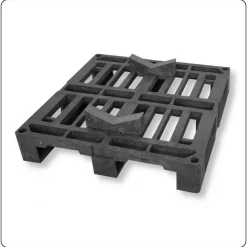
Custom-made V-blocks and support blocks can be integrated into existing load carriers. They can, for example, be used on plastic pallets, positioned in pallet boxes or combined with plastic pallet collars to create reusable transport and storage solutions.
Multiple plastic V-blocks arranged in parallel can form defined storage channels for pipes, shafts and bar stock. Additional protective supports made from foam or rubber can be incorporated for sensitive surfaces. Plastic pallet layer pads and separator sheets can also be integrated into the overall concept to separate additional layers of goods.
Industries and Industrial Applications
Mechanical Engineering
In mechanical engineering, shafts, axles, turned parts, precision tubes and other round components are stored and transported between production stages. Custom-made V-blocks and support blocks provide defined and repeatable support positions.
Metalworking and Steel Stockholding
Pipes, round bars, bar stock, rolls and coils are stocked in a wide range of dimensions and materials. Plastic V-blocks support organised storage and can help reduce uncontrolled movement during handling.
Automotive Industry and Suppliers
Shafts, pipes and cylindrical components often pass through several production and assembly stages. Reusable plastic supports can be integrated into pallet-based load carriers and defined material-flow systems.
Rail Vehicle Manufacturing
Axles, shafts, pipes and other cylindrical components must be securely positioned during production, assembly, maintenance and internal transport. Custom-made support blocks and V-supports can be adapted to the component geometry and existing transport equipment.
Plant Engineering and Energy Technology
In plant engineering, pipes, shafts, rollers and other round components are often stored and transported on a project-specific basis. Custom-made supports can be used to securely position both individual parts and small batches.
Maintenance and Workshop
In workshops and maintenance areas, V-blocks can be used as supports, positioning aids or assembly supports for shafts, rollers and round components. Modular or 3D-printed solutions can offer advantages, particularly where dimensions vary.
Packaging, Shipping and Logistics
For shipping and transport, plastic V-blocks can be combined with pallets, containers, layer pads, strapping, lashing equipment, anti-slip mats and other securing elements.
Cost-Effective in Reusable Applications
Reusable plastic V-blocks can reduce the need for disposable and improvised solutions in recurring processes. Instead of using new wooden blocks or makeshift supports for every transport operation, a defined support system can be reused multiple times.
Cost-effectiveness depends on the specific process, the number of reuse cycles, the value of the components and the potential costs associated with damage, rework and handling. Particularly for high-value precision components, a repeatable support system can quickly provide an economic advantage.
V-Block, Support Block, V-Support or Prismatic Support?
Different industries use different terms for supports and support elements for pipes, shafts, round bars and other cylindrical components. In addition to V-block and plastic V-block, common terms include support block, V-support, prismatic support, pipe support and round-stock support.
The terms overlap to some extent, but they do not always describe exactly the same design. A support block, for example, may be a larger or more structurally complex support unit, whereas a V-block typically features a V-shaped or contour-matched support surface. Plastic Union manufactures both types as custom solutions in plastic, foam or rubber, with 3D-printed versions also available.
For search and product categorisation, Plastic Union uses plastic V-blocks as the central term. The additional terms help users in mechanical engineering, metalworking, storage technology, packaging and transport identify the right solution for their specific application.
Frequently Asked Questions About Plastic V-Blocks
What Are Plastic V-Blocks Used For?
Plastic V-blocks are used for the defined storage, positioning and support of pipes, shafts, round bars, rolls, coils and other cylindrical goods. They can be used in warehousing, production, internal transport and, as part of an appropriate load-securing concept, during transport.
What Is the Difference Between a V-Block and a Support Block?
In practice, the terms are sometimes used interchangeably. A V-block usually describes a V-shaped or contour-matched support for round stock. A support block may also refer to a larger, more structurally complex support or load-bearing unit. Plastic Union can manufacture both versions as custom solutions.
Can V-Blocks Be Manufactured to a Drawing?
Yes. The geometry, length, support surface, V-grooves, holes and other features can be adapted to a drawing, sketch, sample or application data.
What Material Is Used for CNC-Machined V-Blocks?
For the CNC-machined version described here, solid PE/PP-RE stock is used. Depending on the application, other plastic, foam or rubber materials may also be suitable.
Are One-Off Parts and Small Batches Also Possible?
Yes. 3D printing in particular enables cost-effective one-off parts, prototypes and small batches without conventional tooling costs.
Can V-Blocks Have Multiple V-Grooves?
Yes. In addition to a single V-groove, multiple V-grooves for different diameters, radiused supports and custom contours are possible. Larger support blocks with several defined support positions can also be manufactured as custom solutions.
Can Rubber Inserts or Anti-Slip Elements Be Added?
Yes. Depending on the design and application, rubber inserts, anti-slip elements, mounting holes or blind holes can be incorporated.
Can Plastic V-Blocks Be Used for Load Securing?
Yes. They can form part of a load-securing concept by positioning round stock and reducing rolling movement. However, the complete securing concept must always be matched to the load, vehicle, weight, coefficients of friction, lashing equipment and transport conditions.
What Diameters Can V-Blocks Be Manufactured For?
As the geometry is custom-made, a wide range of diameters and support profiles can be accommodated. The specific design depends on the component, load and manufacturing process.
What Information Do You Need for an Enquiry?
Ideally, please provide a drawing or sketch together with details of the diameter, length, weight, quantity, application and any required additional features. Alternatively, photographs and a description of the application may be sufficient for an initial assessment.
Enquire Now About Custom Plastic V-Blocks and Support Blocks
Do you need plastic V-blocks, support blocks, V-supports or custom supports for pipes, shafts, round bars, rolls, coils or other cylindrical materials?
Plastic Union manufactures custom solutions in plastic, foam, rubber and engineering-grade 3D-printing materials – from CNC-machined heavy-duty V-blocks and solid support blocks to prototypes and small batches produced by 3D printing.
Send us your drawing, sketch, photographs or application data. We will assess your requirements and develop the right solution for your storage, production or transport application.